
Ekiti gov’t tasks Bureau of Special Projects on teamwork, critical thinking, timeliness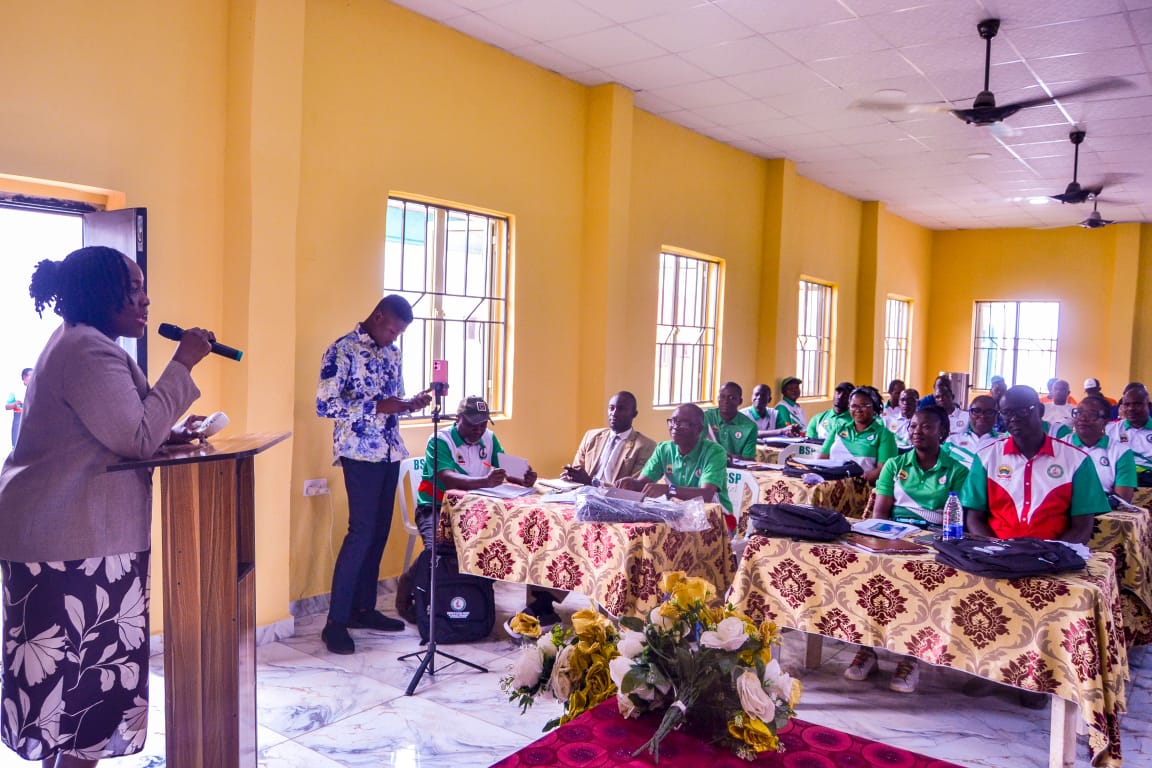
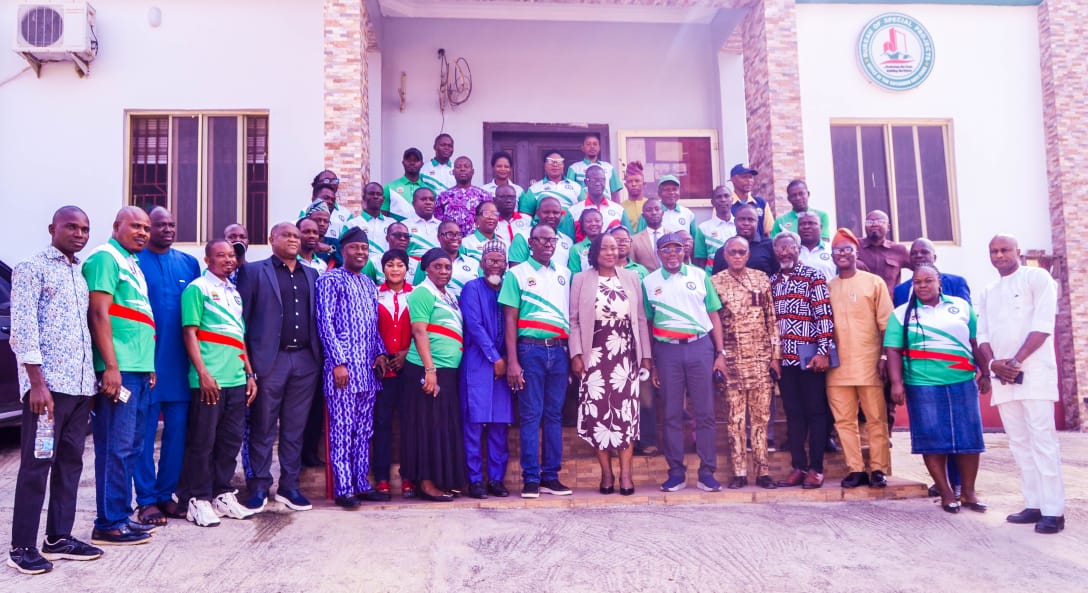
Ekiti State Government has charged staff and stakeholders of the Bureau of Special Projects to embrace teamwork, critical thinking, professionalism and effective communication to ensure timely and quality delivery of government projects.
The Head of Service, Ekiti State Civil Service, Dr Folakemi Olomojobi, stated this on Wednesday during an in-house capacity-building training programme organised by the Bureau of Special Projects in Ado-Ekiti, with the theme, “Thinking Ahead, Delivering Today: Mastering Critical Thinking, Ingenuity, and Integrity in Time-Sensitive Projects”,
Dr Olomojobi said the capacity training was particularly important to the state, noting that the Bureau plays a strategic role in driving infrastructure development and addressing immediate project delivery needs of the government.
The Head of Service said the programme, which was the first capacity-building exercise under Governor Oyebanji’s second term in office, stressed that the initiative underscored the importance attached to building the capacity of personnel to deliver on the mandate given to the agency by Governor Biodun Oyebanji.
The Head of Service emphasised that the success of the Bureau depended largely on the ability of its personnel, irrespective of their professional backgrounds, to work together as one indivisible team. Using the human body as an analogy, she explained that every member of staff had a distinct but interconnected responsibility, stressing that no professional could independently deliver the Bureau’s mandate without the contributions of others.
According to her, the roles of architects, engineers, quantity surveyors, administrators, store officers, secretaries and project coordinators must complement one another for effective project execution. The Head of Service further urged participants to understand both their individual responsibilities and collective obligations, adding that the Special Adviser to the Governor on Special Projects, as coordinator, had the responsibility of harmonising the different professional contributions towards achieving the agency’s objectives.
Dr Olomojobi, who stressed that professionalism, should be measured by performance and quality of output rather than academic qualifications, urged participants to demonstrate excellence in their respective assignments. She further challenged them to develop critical thinking and problem-solving skills, describing these as essential competencies for the future of work, irrespective of professional discipline.
While highlighting the growing relevance of Artificial Intelligence and emerging technologies in the build up to critical thinking, creativity and problem-solving abilities as indispensable indices in the changing world of work, Dr Olomojobi commended Governor Biodun Oyebanji for approving the training and providing an array of experienced facilitators to strengthen the capacity of the Bureau’s workforce.
She called on participants to take full advantage of the opportunity, warning that the real measure of the training would be reflected in improved performance and successful project delivery.
Earlier, the Director-General of the Bureau of Special Projects, Mr Olubunmi Talabi explained that the programme was designed to clarify the roles, professional responsibilities and individual capacities of participants while strengthening teamwork and institutional effectiveness.
Talabi added that the training would also help participants identify their strengths and areas requiring improvement through a pre-training assessment, which would be followed by a post-training evaluation at the end of the two-day programme.
According to him, the Bureau expects the exercise to improve project delivery, strengthen collaboration, align personnel with the agency’s goals and objectives, and enhance workplace relationships and communication. He expressed confidence that the knowledge and skills acquired would translate into smarter project execution and improved service delivery in line with the vision of the Oyebanji administration.
In his paper presentation on Critical Thinking, Emotional Intelligence Crucial to Effective Project Management, one of the facilitators, Prof. Bright Adetola of the Department of Sociology, Olabisi Onabanjo University, Ago-Iwoye emphasized that effective project management goes beyond technical expertise and administrative competence but one that also requires a deliberate integration of critical thinking and emotional intelligence as well as combining analytical rigour with human understanding as essential for modern project leadership.
Prof. Odetola said while critical thinking equips project managers with the capacity to interrogate problems, evaluate evidence, and arrives at logical conclusions, emotional intelligence enables them to understand human behaviour, manage emotional responses, and appreciate diverse stakeholder perspectives. He stressed that the effectiveness of a project manager can no longer be judged solely by the ability to prepare budgets, allocate resources, monitor timelines, and deliver outputs, but also by how well they navigate competing interests and resolve workplace conflicts.
